
Spring Kayak Season Prep: The Complete Gear Checklist
After months of storage, your kayak is itching to get back on the water. But before you toss it on the car and head to the launch, take an hour to go through this checklist. A thorough spring inspection prevents breakdowns on the water, keeps you safe, and extends the life of your gear.
Here’s everything you need to check, fix, and replace before your first paddle of the season.
1. Inspect the Hull
Your kayak’s hull takes the most abuse — scrapes, UV exposure, temperature swings during storage. Give it a careful once-over before launching.
What to look for:
- Scratches and gouges. Minor surface scratches are cosmetic and harmless. Deep gouges that expose the inner layers of plastic or composite material need attention — they can collect water, weaken the structure, and worsen over time.
- Cracks. Pay close attention to stress points: the bow, stern, and areas around scupper holes (on sit-on-tops). Flex the hull gently with your hands and watch for any movement along hairline cracks.
- Warping. If your kayak was stored improperly (leaning against a wall, under heavy objects, or in direct sun), the hull may have deformed. Place it on a flat surface and check for rocking or uneven contact.
- UV damage. Faded color is cosmetic, but chalky, brittle plastic indicates UV degradation that weakens the hull. Apply 303 Protectant or a UV protectant designed for kayaks to slow further damage.
Fix it: Sand minor gouges smooth with fine-grit sandpaper. For deeper damage, use a plastic welder (for polyethylene) or marine-grade epoxy (for fiberglass/composite). If you’re unsure about structural integrity, take it to a paddle shop.
2. Check All Hardware and Fittings
Screws loosen. Bolts corrode. Bungee cords lose elasticity over winter. Go over every attachment point on your kayak.
- Deck lines and bungees. Stretch each bungee cord — if it doesn’t snap back firmly, replace it. Check that all cord ends are secured and not fraying.
- Foot pegs and pedals. Slide them through their full range. They should lock firmly at each position and release cleanly. Lubricate the track with a silicone-based spray if they stick.
- Seat and backrest. Check mounting bolts for tightness. Inspect fabric for tears or UV degradation. Test the adjustment straps — they should hold position under load.
- Hatch covers. Open and close each hatch. The seals should be supple and create a tight seal. Replace cracked or hardened gaskets — a leaky hatch means wet gear.
- Rudder or skeg. If your kayak has a rudder, deploy and retract it. Check the cable or rope for fraying and the pivot points for smooth operation.
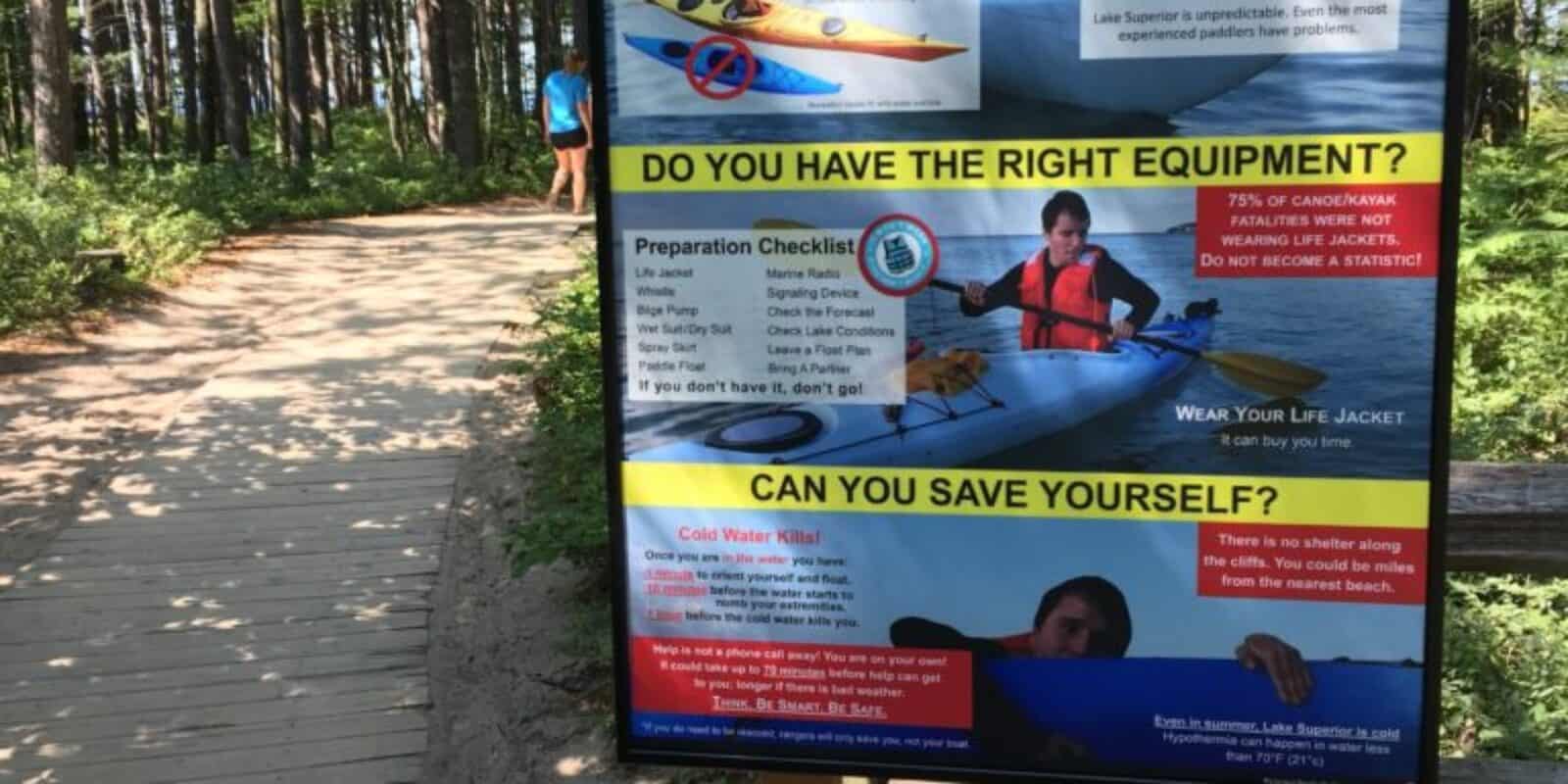
3. Safety Equipment Check
This isn’t optional — it’s the stuff that keeps you alive when things go wrong.
PFD (Life Jacket):
- Inspect all buckles, zippers, and straps. They should function smoothly and hold securely.
- Check the fabric for tears, UV damage, or mildew.
- Try it on. Does it still fit properly? If you’ve gained or lost weight over winter, you may need a different size.
- Inflatable PFDs: check the CO2 cartridge — it should be full, not punctured, and within its expiration date.
Other safety equipment:
- Whistle or signaling device: Make sure it’s attached to your PFD and functional. Test it. A waterlogged whistle is useless.
- Throw rope: Inspect for fraying, mildew, or UV damage. Practice deploying it.
- Bilge pump or sponge: Test the pump mechanism. Check for cracks in the housing.
- First aid kit: Check expiration dates on medications, antiseptic wipes, and sunscreen. Restock bandages.
- Light and visual signals: If you paddle near dusk or dawn, test navigation lights and replace batteries.
4. Paddle Inspection
Your paddle is your engine. A failure here means you’re drifting.
- Shaft. Look for cracks, dents, or bends, especially near the ferrule (the connection point for two-piece paddles). Spin the two halves — they should lock firmly with no wobble.
- Blades. Check for chips, cracks, or delamination. Minor edge chips on plastic blades can be sanded smooth. Fiberglass or carbon blade damage may need professional repair.
- Ferrule mechanism. Disassemble and clean the ferrule. Apply a thin coat of wax (candle wax works) to prevent seizing. Reassemble and test the locking mechanism.
- Grip. If your grips are worn or slippery, consider re-wrapping with tennis grip tape or paddle-specific grip tape.
5. Apparel and Layering
Spring water is cold — often dangerously cold — even when the air feels warm. Dress for the water temperature, not the air temperature.
- Wetsuit or drysuit. If water temps are below 60°F (15°C), a wetsuit is strongly recommended. Below 50°F (10°C), a drysuit is the safer choice. Inspect seals (neoprene gaskets on drysuits) for cracks or tears.
- Base layers. Avoid cotton — it absorbs water, loses insulation, and takes forever to dry. Merino wool or synthetic fabrics are the standard for good reason.
- Paddling jacket. A waterproof-breathable paddling jacket keeps wind and splash off your core. Check zippers and seam tape for wear.
- Footwear. Neoprene booties or water shoes with good grip. Inspect for sole separation or neoprene deterioration.
- Gloves. Spring mornings can mean cold hands. Pogies (paddle mitts that attach to the shaft) are often warmer than gloves because they keep your hands in direct contact with the paddle.
6. Transport and Rigging Gear
- Roof rack and cradles. Check all bolts and mounting hardware for tightness. Inspect padding for compression or UV damage. Test straps — they should hold firm without slipping.
- Bow and stern lines. Replace any frayed or sun-damaged rope. Ratchet straps can damage hulls if overtightened — cam straps are gentler and just as secure.
- Cart or trolley. If you use a kayak cart for transport, check tire pressure (pneumatic wheels), axle pins, and cradle pads.
7. Pre-Season Maintenance Tasks
- Apply UV protectant. 303 Protectant is the gold standard for polyethylene kayaks. Apply to the entire hull, deck, and cockpit. It’s like sunscreen for your boat.
- Lubricate moving parts. Foot peg tracks, rudder mechanisms, hatch hinges, and any metal-to-metal contact points get a shot of silicone lubricant.
- Tighten all hardware. Go over every screw and bolt with the appropriate tool. Don’t overtighten — snug is enough, especially into plastic.
- Clean the cockpit. Remove any debris, mildew, or mouse evidence (if stored in a garage or shed). Wipe down with a mild soap solution and let dry completely.
- Inventory your repair kit. Make sure you have duct tape, a multi-tool, spare bungee cord, zip ties, and a small tube of marine epoxy.
8. Skills Refresher
Gear is only half the equation. If it’s been a few months since you paddled, spend some time brushing up.
- Wet exit. Practice in shallow, calm water before heading out. Can you exit your kayak quickly while wearing all your spring gear?
- Re-entry. If you paddle with a partner, practice assisted re-entry (T-rescue). Solo paddlers should practice paddle float re-entry.
- Bracing. Low brace and high brace strokes feel different when you haven’t done them in months. A few minutes of practice builds muscle memory back quickly.
- Self-rescue. Can you get back in your kayak alone, in real conditions, wearing your full spring kit? If not, practice until you can.
Spring is the most exciting time to paddle — the waterways are waking up, wildlife is active, and the crowds haven’t arrived yet. Take an hour before your first trip. Go through this checklist. Fix what needs fixing. Replace what needs replacing. Your future self — floating comfortably on calm water with dry hatches and functioning gear — will thank you.
Happy paddling season.