
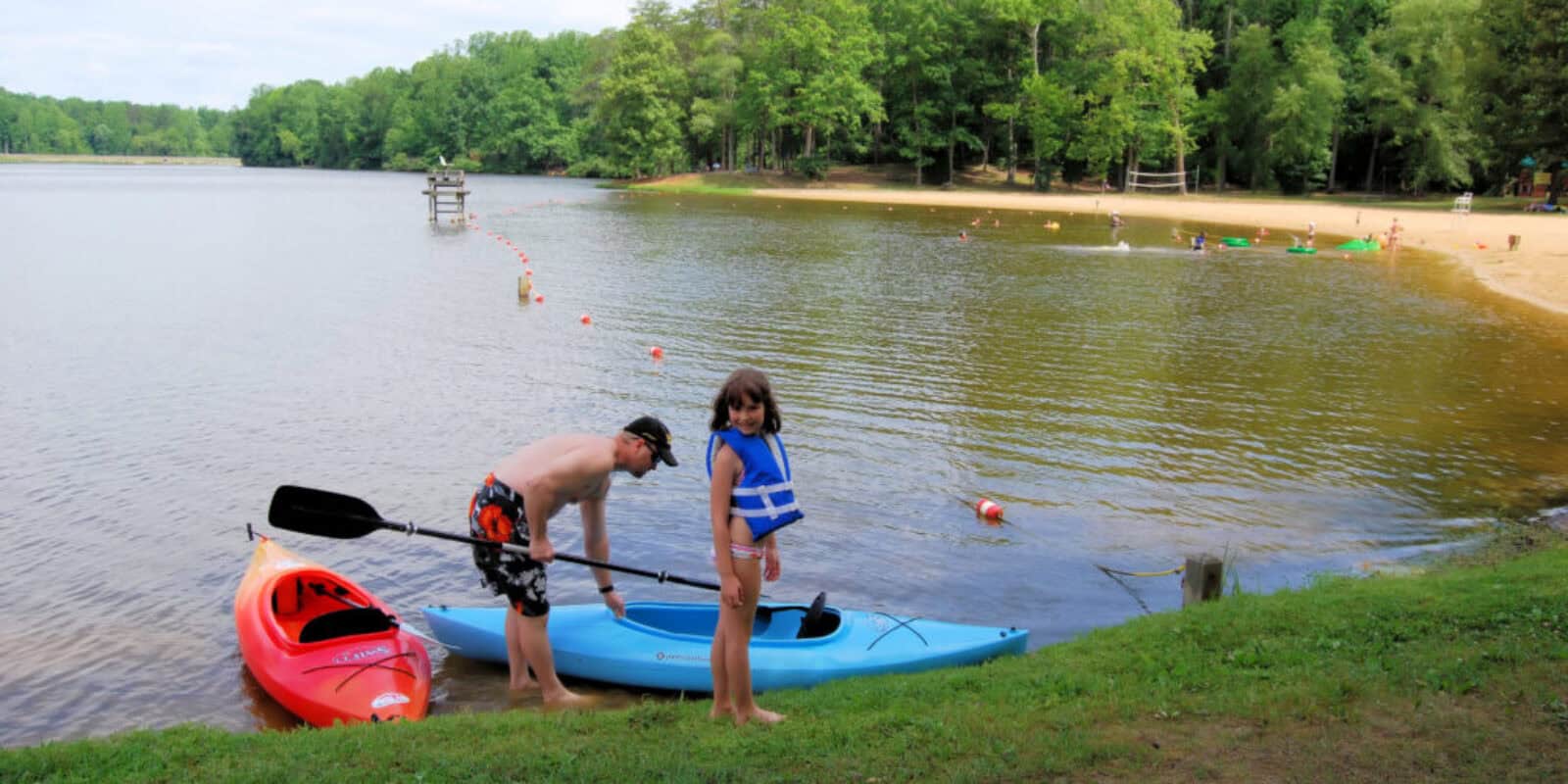
Family Kayaking: How to Introduce Kids of Any Age to Paddling
Few things beat sharing the water with your kids. Watching a child’s face when they make their first clean paddle stroke, spot a fish below the surface, or capsize and successfully execute a wet exit is pure magic. But kids aren’t small adults — they need a different approach, different gear, and different expectations.
When Can Kids Start Kayaking?
There’s no universal age, but here’s a practical guide:
- Under 3 years old: Generally not recommended for paddling. They’re heavy for their size, can’t follow instructions well, and get cold fast. A canoe with a baby seat is a better option.
- Ages 3–6: Can ride in a sit-on-top kayak with a parent. A double kayak with an adult and a child is ideal. Keep sessions short (30–45 minutes) and close to shore.
- Ages 6–10: Ready for their own small kayak — often called kid’s kayaks. Typically in the 6–8 foot range with wide, stable hulls.
- 10+: Can handle a scaled-down adult kayak and longer distances. Many kids this age can paddle independently on calm water.
Gear for Young Paddlers
- PFD first, always. A properly fitted Coast Guard-approved PFD is non-negotiable. Kids’ PFDs are designed differently than adults — look for one with a handle on top (for easy grabbing) and a high buoyancy rating. Try it on your child before buying.
- Properly sized paddle: Don’t hand a child an adult-length paddle. Kids’ paddles are available, typically 180–200 cm. A paddle that’s too long is unwieldy and teaches bad habits.
- Sun protection: Kids burn fast. Full UV-protective clothing, a wide-brim hat, and sunscreen are essential. Consider paddle-specific gloves if your child is sensitive to blistering.
- Water and snacks: Paddling burns energy. Bring more water than you think necessary and easy-to-eat snacks that won’t create a mess.
Teaching Technique: Keep It Fun
The biggest mistake parents make is trying to teach technique before the child is comfortable on the water. Flip the approach: fun first, technique later.
- Start on land: Practice the paddle stroke motion on the grass or dock before launching. Get the basic forward stroke and sweep stroke feeling natural.
- Games on the water: Turn practice into play. Race between buoys (if safe), try to spin in circles, or play “follow the leader.”
- Praise effort, not perfection: “Great paddle stroke!” works better than “no, do it like this.” Enthusiasm keeps kids engaged.
- Short sessions: You can always go back out. Overheating a child with paddling (or any activity) kills the love of it. Watch for fatigue and cold — kids don’t always recognize these cues.
- Let them capsize: Seriously. If conditions are safe and shallow, let them tip over intentionally and practice getting out. A controlled capsize removes the fear and builds confidence.
Best Family Kayaking Destinations
- Calm, flat water: Lakes, slow rivers, and sheltered coves are ideal. Avoid any water with significant current, wind, or boat traffic until your family is experienced.
- Short distances: Start with out-and-back trips of 30–60 minutes. Increase distance as confidence builds.
- Interesting destinations: Paddling to a beach for a swim, a picnic island, or a spot to see wildlife gives kids a goal to work toward.
- Wildlife: Seeing a heron take off, a fish shadowing your boat, or a turtle basking on a log is often the highlight of a kid’s paddling trip. Slow down and let them observe.
What to Do When Your Kid Doesn’t Like It
Not every kid is going to love kayaking on the first try. That’s fine. The goal isn’t to create a paddler — it’s to create positive outdoor experiences. If your child hates kayaking, try paddleboarding instead, or just go swimming and wading. The water connection will develop in its own time. Don’t force it, don’t make it a chore, and don’t turn it into a lesson they didn’t ask for. The more relaxed you are, the more they’ll want to come back.
Family paddling isn’t about performance — it’s about shared experience. Those hours on the water, working together and exploring together, build memories that last far longer than any technique.